
 Skip to main content
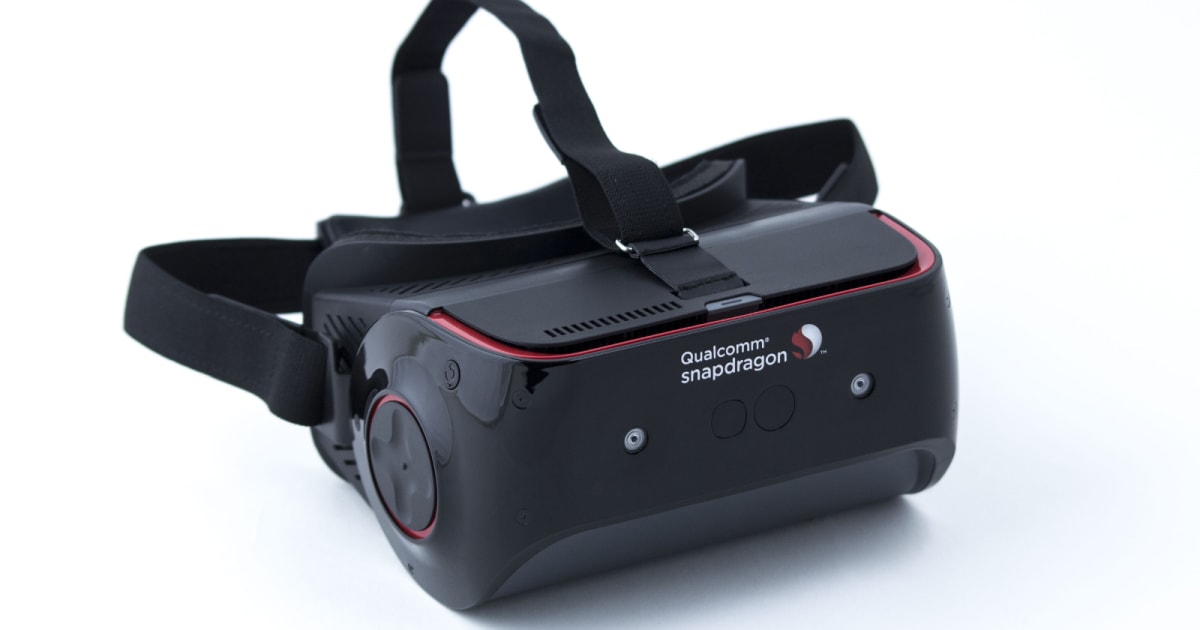
That means future head-mounted displays (HMDs) based on Qualcomm's standalone headset kit will feature more efficient foveated rendering. Since they can tell where you're looking, they'll be able to dedicate most of their graphics power to make that part of the experience as sharp and clear as possible. They can even downgrade graphics on parts of the screen you're not looking at, which could lead to systems with lower specs and lower price tags.
Eye tracking will also make experiences more personal and interactive. Avatars and in-game characters could look at you when you look at them, which could make interactions in VR social networks much more enjoyable. Games that require hand-eye coordination (shooting, bowling, etc.) could feel more intuitive and realistic, as well.
Tobii's partnership with a tech giant like Qualcomm could make eye-tracking in VR more commonplace. In the future, as Tobii chief Henrik Eskilsson told us, manufacturers might even see the technology as a requirement for VR headsets.
from Joystiq http://ift.tt/2tNKPCd
via Gopher Perfect
Comments
Post a Comment