
 Skip to main content
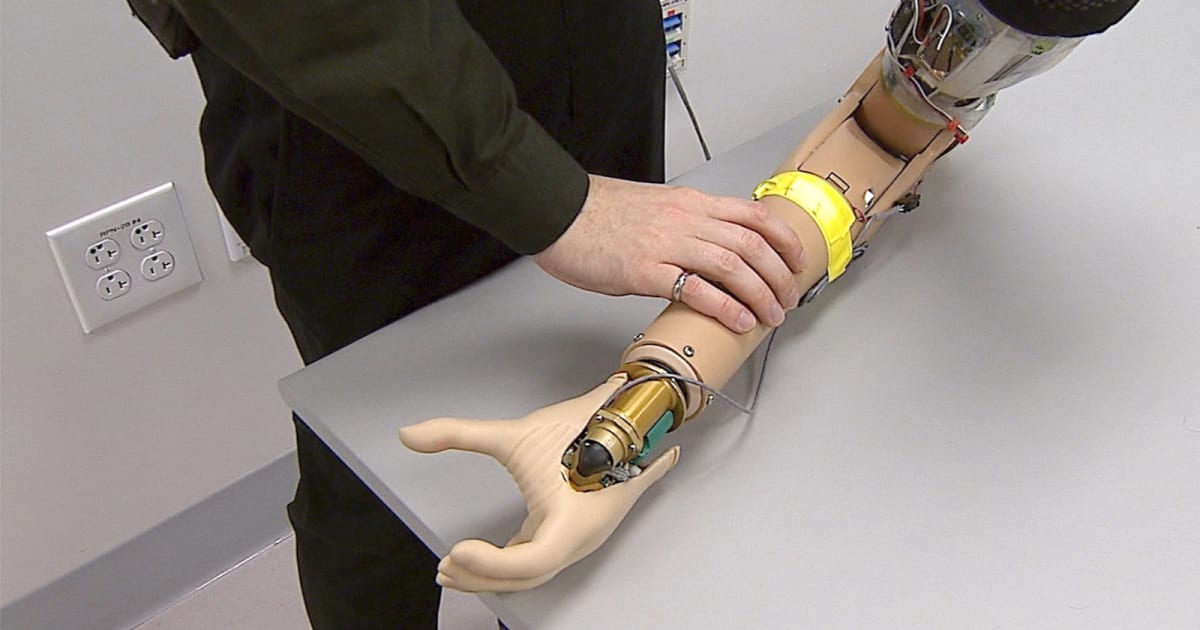
The trick was to create a two-way interface that vibrating nerves at reinnervation sites (places where amputated nerves have been redirected to remaining muscles), convincing their brain that the limb is really there. Patients in tests could not only perform actions without looking at their prosthetic arms, they could often perform actions as elegantly as someone with natural limbs. And importantly, the prosthetics feel like their limbs, not just electronics strapped to their body.
This feedback isn't very complex at the moment, and researchers intend to develop subtler signals that more closely replicate what you get from natural arms. However, it doesn't have to be perfect to be effective -- it just has to establish that instinctual link that would otherwise be lost. Amputees could spend less time training themselves to use prosthetics and more time actually using them.
from Joystiq http://ift.tt/2tLKrEl
via Gopher Perfect
Comments
Post a Comment